
What Is Brow Lamination and How It Compares to Microblading?
Brows frame the face and can significantly influence overall appearance. Over the last decade, brow treatments have expanded beyond basic grooming to include semi-permanent techniques that enhance shape, density, and symmetry. Two of the most discussed options today are brow lamination and microblading. People comparing brow treatments often ask similar questions about results, longevity, cost, and maintenance.
This guide from Double Brow Beauty explains what brow lamination is, how it differs from microblading, and how to decide which option aligns with your brow goals. The focus is educational and practical, helping you understand techniques, results, and considerations without promotional claims.
Understanding Brow Enhancement Treatments
Before comparing specific methods, it helps to understand the goal behind modern brow enhancement. Most treatments aim to improve one or more of the following:
- Shape and structure
- Perceived fullness
- Symmetry between brows
- Ease of daily styling
The best brows enhancement is not the same for everyone. Natural brow hair, skin type, lifestyle, and personal preference all play a role in determining which treatment is suitable.
What Is Brow Lamination?
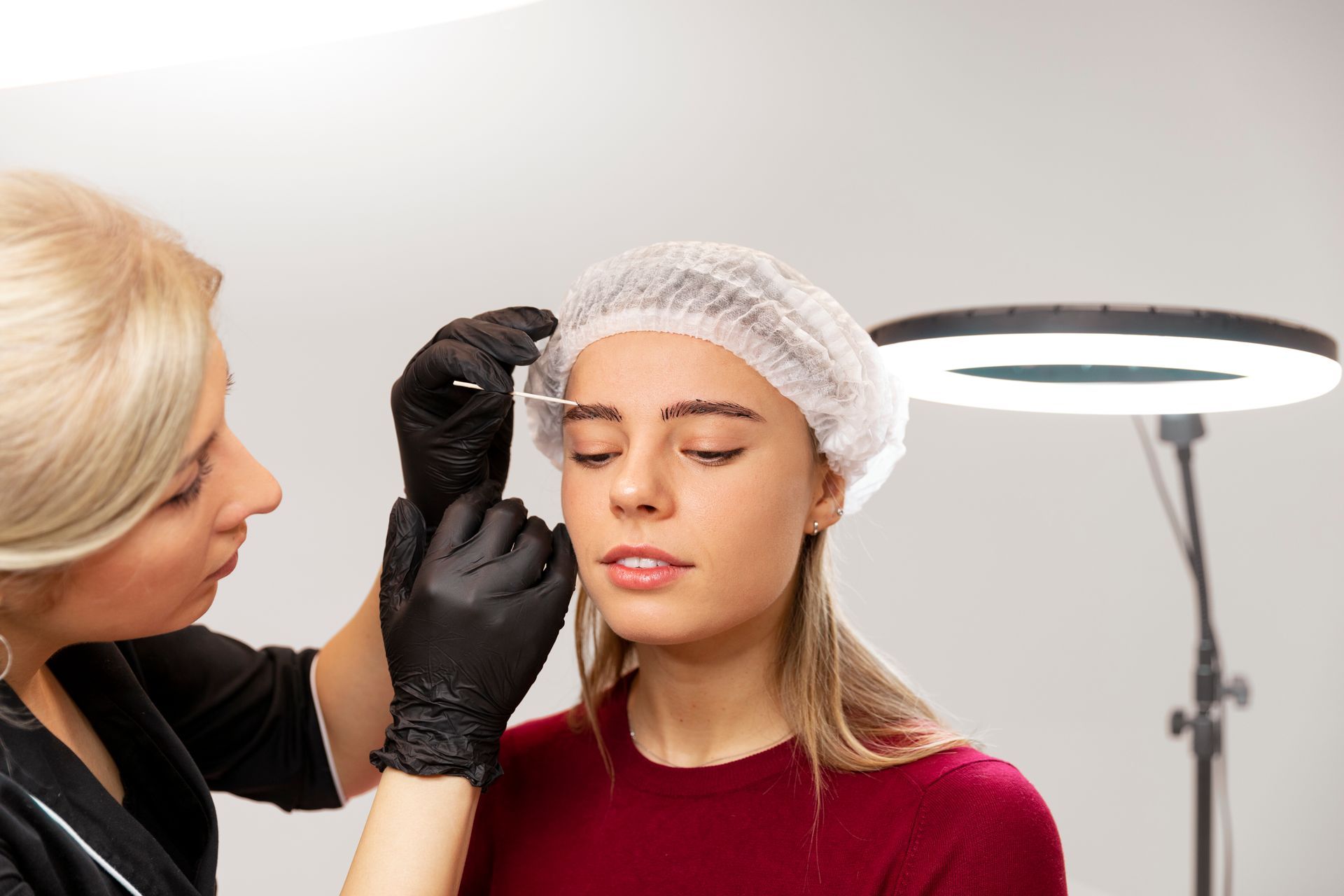
Brow lamination is a non-invasive brow styling treatment that restructures the brow hairs to sit in a more uniform and lifted direction. The process uses a series of gentle chemical solutions to soften the hair bonds, allowing the technician to reposition the hairs before setting them in place.
How Brow Lamination Works
The lamination process typically includes:
- Cleansing the brow area to remove oils and residue
- Applying a lifting solution to relax the hair structure
- Brushing the hairs into a desired shape
- Applying a neutralizing solution to set the hairs
- Conditioning the brows with nourishing serums
The treatment focuses on existing brow hairs rather than adding pigment or creating hair strokes.
Brow Lamination Benefits
Many people choose lamination for its subtle yet noticeable effects. Common brow lamination benefits include:
- Creating a fuller appearance without pigment
- Smoothing unruly or downward growing hairs
- Enhancing natural brow shape
- Providing a brushed up, tidy look
- Minimal discomfort during treatment
Because lamination works with natural hair, results tend to look soft and flexible rather than defined or tattooed.
How Long Brow Lamination Lasts
Results generally last between four and eight weeks. Longevity depends on hair growth cycles, aftercare, and skin type. As brow hairs naturally shed and regrow, the laminated effect gradually fades.
What Is Microblading?
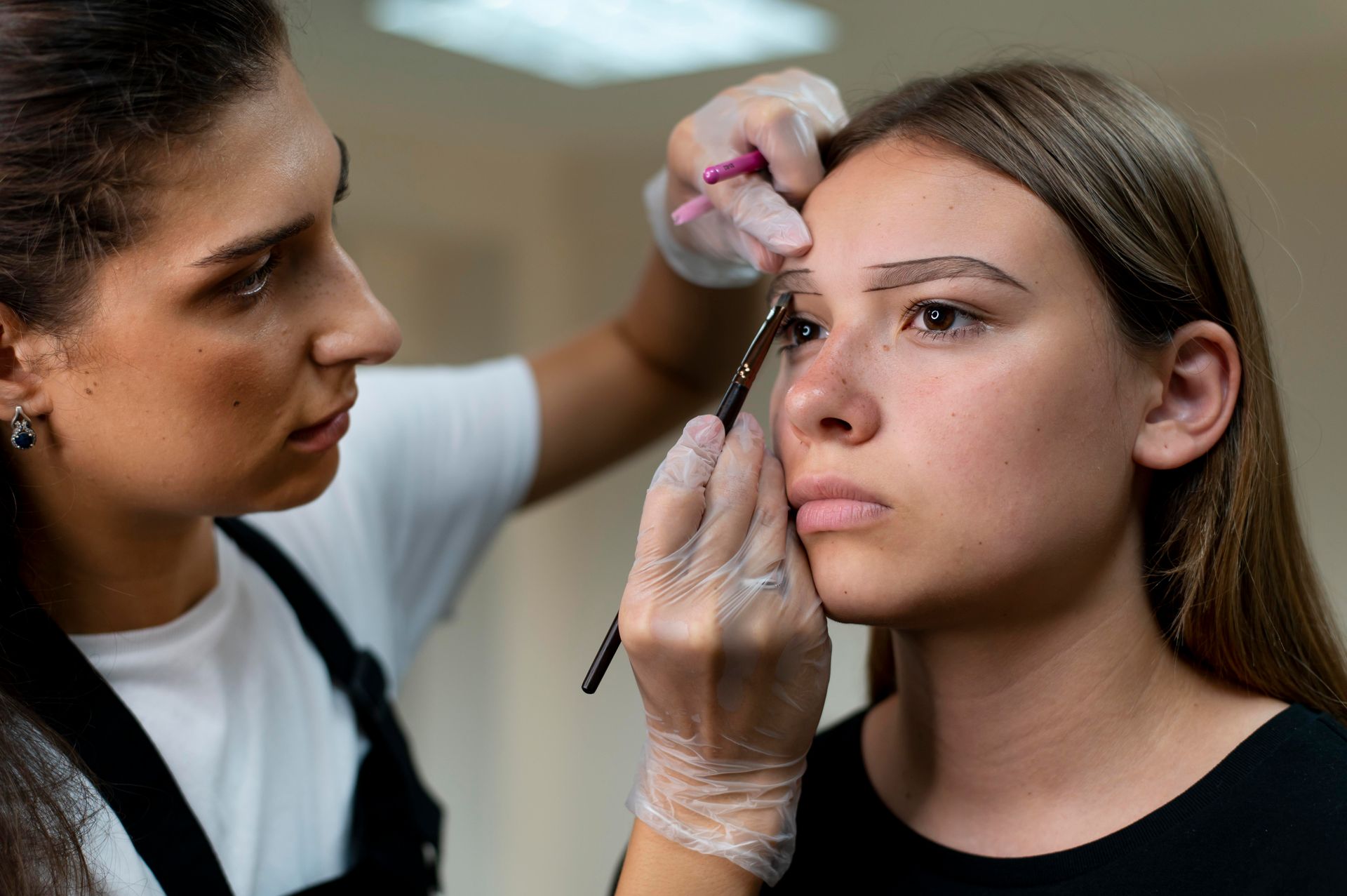
Microblading is a semi-permanent cosmetic tattooing technique that involves using a handheld tool with fine needles to deposit pigment into the upper layers of the skin. The goal is to create hair-like strokes that mimic natural brow hairs, giving your eyebrows a fuller and more defined look. Many clients in search of a brow lift in Montreal choose microblading as a non-surgical way to enhance their arches and achieve a youthful, polished appearance.
How Microblading Works
The microblading process usually includes:
- Consultation and brow mapping
- Selecting a pigment color
- Creating fine incisions in the skin
- Implanting pigment into each stroke
- Allowing time for healing and color settling
Unlike lamination, microblading adds pigment where hair may be sparse or absent.
Results of Microblading
Microblading can create the appearance of fuller, more defined brows. Results are more structured and long lasting compared to lamination. Because pigment is placed in the skin, the effect remains visible even without brow hair.
Longevity of Microblading
Microblading typically lasts between one and three years. Fading occurs gradually and touch ups are often needed to maintain shape and color.
What Is Brow Lamination vs Microblading?
When people ask what is brow lamination vs microblading, they are usually trying to understand how the two differ in approach and outcome. While both aim to enhance brows, they work in very different ways.
Key Differences in Technique
- Brow lamination reshapes existing hair
- Microblading adds pigment to the skin
- Lamination is non invasive
- Microblading involves superficial skin incisions
Differences in Visual Results
Lamination results appear softer and more natural, especially when brows already have decent hair density. Microblading results are more defined and can dramatically change brow shape.
Suitability Based on Brow Type
- Lamination suits those with uneven or unruly hairs
- Microblading suits those with sparse or over plucked brows
Understanding these differences helps narrow down which treatment aligns with personal expectations.
Microblading vs Lamination Cost Comparison
Cost is a common deciding factor. The microblading vs lamination cost comparison reflects differences in time, skill, and longevity.
Average Cost Ranges
Costs vary by location and provider, but general ranges are outlined below.
| Treatment | Typical Cost Range | Longevity | Maintenance |
|---|---|---|---|
| Brow Lamination | Lower initial cost | 4 to 8 weeks | Regular re treatments |
| Microblading | Higher initial cost | 1 to 3 years | Periodic touch ups |
While lamination costs less per session, repeat treatments can add up over time. Microblading requires a higher upfront investment but fewer sessions.
Factors That Influence Cost
- Technician experience
- Geographic location
- Included aftercare products
- Follow up appointments
Cost should be considered alongside comfort level and desired results.
Lamination Aftercare and Maintenance
Proper lamination aftercare helps extend results and maintain brow health.
Immediate Aftercare
During the first 24 hours, it is usually advised to:
- Keep brows dry
- Avoid steam or sweating
- Refrain from touching or brushing excessively
Ongoing Care
After the initial period:
- Use nourishing oils or serums as recommended
- Brush brows gently into place
- Avoid harsh exfoliants near the brow area
Lamination aftercare is generally simple and fits easily into most routines.
Microblading Aftercare Overview
Microblading aftercare is more involved due to the healing process.
Healing Timeline
- Initial redness and scabbing may occur
- Pigment can appear darker before fading
- Full healing may take several weeks
Care Considerations
- Avoid water and makeup on brows initially
- Follow cleansing instructions carefully
- Protect brows from sun exposure
Because microblading involves skin healing, aftercare adherence is essential for optimal results.
Choosing the Best Brows Enhancement for You
The best brows enhancement depends on individual needs rather than trends. Consider the following factors:
Natural Brow Hair
If you have enough brow hair but struggle with shape or direction, lamination may be sufficient. If hair is sparse or missing, microblading may offer more coverage.
Lifestyle and Commitment
Lamination suits those comfortable with regular maintenance. Microblading suits those seeking longer lasting structure.
Comfort Level
Some people prefer non-invasive treatments, while others are comfortable with semi permanent options.
Desired Look
- Soft, fluffy, brushed brows lean toward lamination
- Defined, structured brows lean toward microblading
Taking time to assess these points can clarify which approach aligns with expectations.
Can Brow Lamination and Microblading Be Combined?
In some cases, brow lamination and microblading are used together. Microblading can provide shape and density, while lamination styles the existing hairs for a polished finish. Timing and professional guidance are important when combining treatments to avoid over processing.
Safety and Suitability Considerations
Both treatments are generally considered safe when performed by trained professionals. However, suitability varies.
Who Should Avoid Brow Lamination
- Those with very sensitive skin
- Individuals with certain skin conditions near the brow area
Who Should Avoid Microblading
- People prone to keloid scarring
- Individuals with specific medical conditions
- Those uncomfortable with pigment in the skin
Consultation and patch testing help identify potential risks.
Final Thoughts on Brow Lamination vs Microblading
Understanding what is brow lamination vs microblading helps set realistic expectations. Brow lamination enhances what is already there, offering flexibility and softness. Microblading creates structure and density through pigment, offering longer lasting results.
Neither option is universally better. The right choice depends on brow condition, lifestyle, and aesthetic preference. By comparing techniques, results, and cost, individuals can make informed decisions about their brow enhancement journey. Ready to find the perfect brow solution for you? Contact us today to schedule a consultation.
Frequently Asked Questions
Is brow lamination painful?
Brow lamination is usually described as comfortable. There is no breaking of the skin, so discomfort is minimal.
Does microblading look natural?
When done correctly, microblading can look natural. Results depend on technique, pigment choice, and healing.
How often can brow lamination be done?
Most professionals recommend waiting at least six weeks between treatments to protect hair health.
Can I wear makeup after brow lamination?
Makeup is typically avoided for the first 24 hours. After that, normal makeup routines can resume.
Does microblading fade completely?
Microblading fades gradually. Some pigment may remain for several years, even without touch ups.
Which treatment is better for oily skin?
Oily skin can affect pigment retention in microblading. Lamination may be a more predictable option for some individuals.