

Top 10 Benefits of Brow Lift for Fuller Brows

Doublebrow Beauty • 10 April 2026

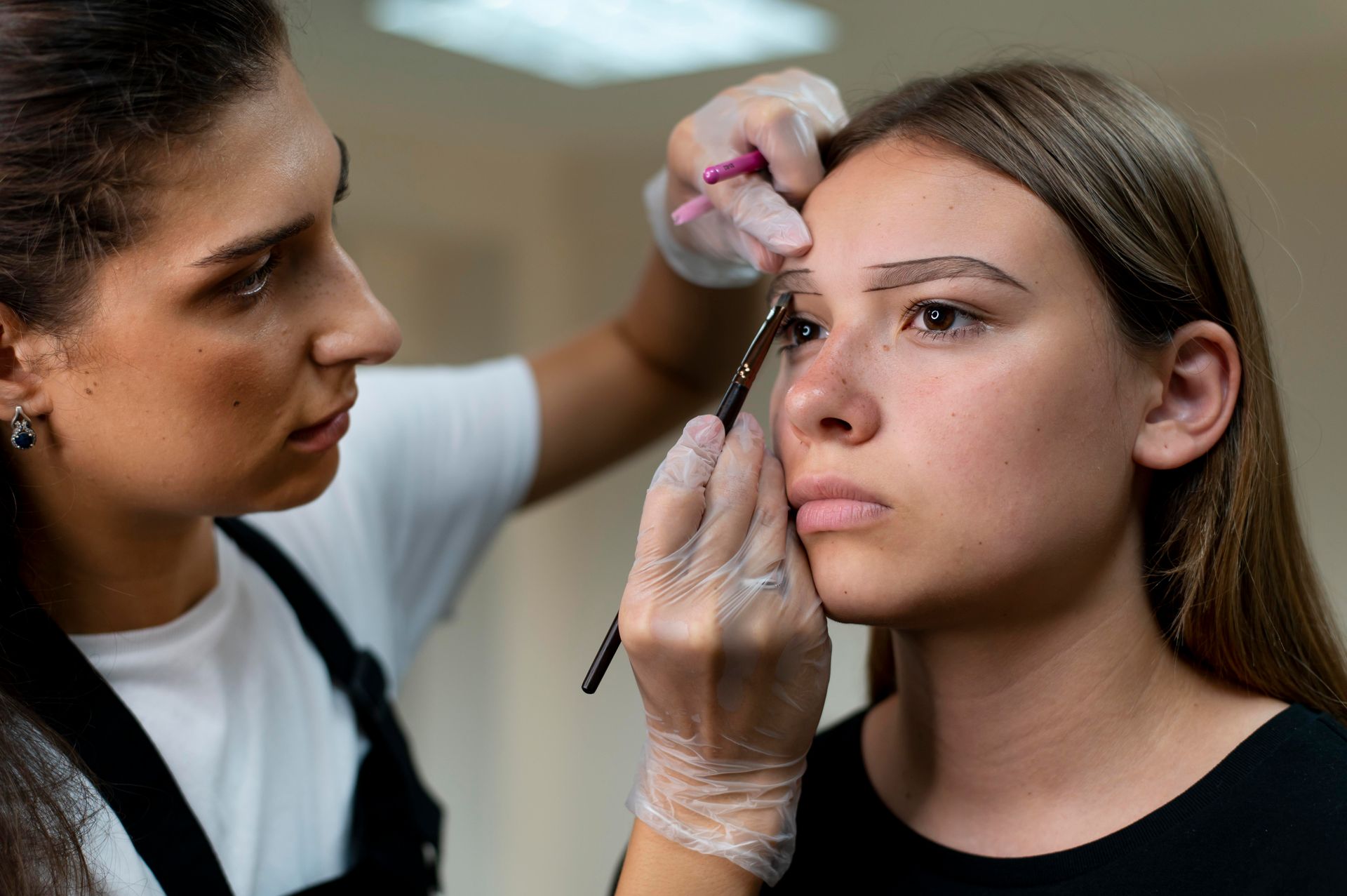
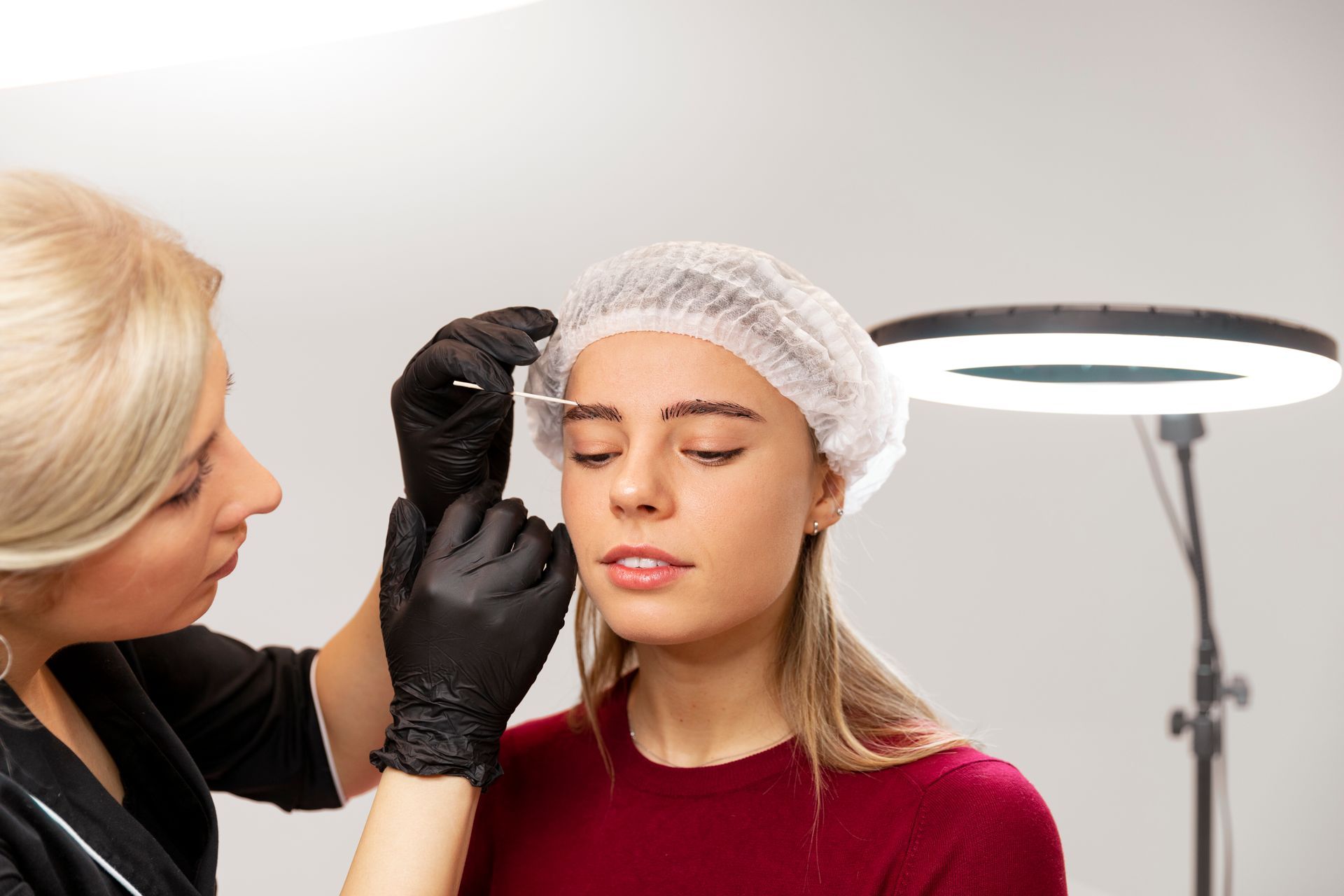
Brow enhancement has become a key aspect of modern beauty routines, as perfectly shaped brows can dramatically elevate the overall appearance of your face. Among the many treatments available, a brow lift stands out for its ability to provide fuller, more defined, and naturally lifted brows without invasive procedures. 


Unlike traditional makeup applications, a brow lift works with your natural hairs, creating a polished look that lasts for weeks. Whether you're curious about brow lift results, comparing brow lift vs tint, or exploring ways to maintain a long-lasting brow shape, understanding the benefits is essential for making an informed choice. 


At Double Brow, our professional brow specialists focus on personalized treatments tailored to each client, ensuring optimal results and healthier, well-groomed brows. In this article, we explore the top 10 benefits of a brow lift, including practical insights, professional explanations, and essential brow grooming tips to help you achieve the brows you’ve always desired.


What is a Brow Lift?

A brow lift is a semi-permanent beauty treatment designed to lift, shape, and enhance the natural appearance of your eyebrows. Unlike traditional tints or makeup applications, a brow lift focuses on the brow hairs themselves, often using a combination of lifting solutions, nourishing serums, and styling techniques.

Key features of a brow lift include:


  • Brow shaping and definition: Each hair is styled to create a more symmetrical and polished look.
  • Hair lifting: Hairs are subtly lifted from the root, providing a natural arch and fuller appearance.
  • Enhancing brow texture: Treatments often include conditioning solutions to promote healthier, shinier hairs.


Brow Lift vs Tint: Understanding the Difference

While both treatments aim to improve brow appearance, they serve different purposes:

Feature Brow Lift Brow Tint
Primary Goal Lifts and shapes brow hairs Colors the brow hairs for depth and contrast
Longevity 6–8 weeks 3–4 weeks
Best For Sparse, flat, or unruly brows Naturally thick brows needing color enhancement
Additional Benefit Creates fuller, more structured brows Enhances brow color and intensity
Professional Maintenance Low, occasional grooming recommended Requires regular touch-ups

Understanding the distinction helps clients choose the treatment that aligns with their beauty goals. For those seeking volume, structure, and a semi-permanent effect, a brow lift is often the preferred option.


1. Fuller and More Defined Brows

One of the most immediate benefits of a brow lift is achieving fuller, more defined brows. By lifting and setting each hair in place, the treatment gives the illusion of volume without the need for makeup.


Professional technicians strategically comb and lift brow hairs to highlight the natural arch, creating a polished yet natural appearance. This effect is particularly beneficial for clients with sparse or uneven brows.


2. Long-Lasting Brow Lift Results

Unlike daily brow makeup, brow lift results are semi-permanent. Most treatments last between 6 to 8 weeks, depending on your natural hair growth and maintenance routine. Knowing the brow lift duration allows clients to plan their beauty regimen efficiently.


Routine care, such as avoiding excessive washing or oil-based products immediately after the treatment, ensures the results remain visible for longer.


3. Reduced Need for Daily Brow Grooming

Brow lifts reduce the time spent on daily grooming. Hairs are set in a lifted position, eliminating the need for repeated brushing, filling, or shaping. This makes the treatment ideal for clients seeking a low-maintenance solution that still looks polished.


4. Enhances Natural Brow Shape

A professional brow lift enhances the natural brow shape by accentuating the arch and elongating the tail. Unlike makeup, which may appear artificial, brow lift techniques work with the natural hair pattern to improve symmetry and balance.


5. Works Well with Brow Tinting

Many clients combine brow lifts with tinting to enhance both shape and color. While a brow lift focuses on structure and volume, tinting adds depth, creating a more striking and complete look. For an even more dramatic effect, some clients pair their brow lift with lifting eyelashes, which lifts and defines the lashes while complementing the elevated brow shape. This combination is particularly effective for clients with lighter hair or sparse brows, resulting in a polished, eye-enhancing appearance.


6. Encourages Healthier Brow Hair

Brow lifts often include nourishing solutions that condition the hair shaft and support growth. Ingredients such as keratin, vitamins, and natural oils can strengthen the hair, reduce breakage, and promote a healthier overall appearance.


7. Natural-Looking Results

Unlike microblading or permanent makeup, brow lifts offer a subtle and natural effect. By styling the natural hairs instead of adding pigments, clients achieve an effortlessly polished appearance suitable for everyday wear.


8. Suitable for Various Brow Types

Brow lifts are versatile, accommodating a range of brow types—from straight or thin brows to thicker, unruly ones. Professionals customize the lifting solution, shaping, and set time to suit individual hair texture and facial features.


9. Minimal Downtime

Most brow lift treatments require no downtime, allowing clients to return to their daily activities immediately. Any mild redness or sensitivity typically subsides within a few hours, making it a convenient option for busy schedules.


10. Complementary Brow Grooming Tips

To maximize brow lift results, professional brow grooming tips include:

  • Avoid heavy oils on the brow area immediately after treatment.
  • Comb brows daily using a clean spoolie to maintain shape.
  • Trim stray hairs periodically for neat edges.
  • Schedule touch-ups every 6–8 weeks for longevity.
  • Combine with tinting if a deeper color is desired.

These simple practices extend the effects of a brow lift and maintain healthy, full-looking brows.


Conclusion

A brow lift is a versatile and effective treatment that offers multiple benefits for clients exploring brow enhancement. From achieving fuller, natural-looking brows to reducing daily grooming time, understanding the benefits of brow lift helps you make an informed choice.


Whether combined with tinting or used alone, the treatment enhances natural brow structure, promotes hair health, and delivers long-lasting results. Following professional brow grooming tips ensures your brows remain polished, healthy, and beautifully lifted. To learn more or book a personalized brow lift consultation, Contact us at Double Brow today and let our specialists help you achieve your perfect brows.


Frequently Asked Questions

  • How long does a brow lift last?

    A typical brow lift lasts 6–8 weeks, depending on hair growth and proper aftercare.


  • Is brow lift better than tinting?

    A brow lift focuses on structure and volume, while tinting enhances color. They are complementary treatments, not mutually exclusive.


  • Can I get a brow lift if I have thin brows?

    Yes. Brow lifts can create the appearance of fuller brows even with sparse hair, as each hair is lifted and styled to enhance the overall shape.


  • Does a brow lift hurt?

    Most clients experience minimal discomfort. The process involves applying a lifting solution and styling the hairs, which is generally painless.


  • How do I maintain my brow lift results?

    Follow aftercare instructions, avoid excessive oils immediately after treatment, comb brows daily, and schedule regular touch-ups.
by Doublebrow Beauty 10 April 2026
Eyebrow enhancement has evolved significantly over the past decade, offering more refined, precise, and natural-looking results than ever before. What was once limited to basic shaping or tinting has now transformed into advanced semi-permanent techniques that can completely redefine your facial aesthetics. Among these, two of the most sought-after treatments are microblading and nano brows. Each method is designed to enhance brow shape, density, and symmetry, but they differ in terms of application technique, longevity, skin compatibility, and the overall finish. At Double Brow , clients can access both microblading and nano brow services performed by experienced professionals who focus on precision, safety, and natural results. Whether you are looking for crisp, hair-like strokes or a soft, natural gradient effect, this guide provides a detailed, unbiased comparison of microblading vs nano brows to help you determine which treatment best aligns with your individual skin type, lifestyle, and brow goals. By understanding the nuances of each technique, you can make an informed decision that ensures long-lasting, beautifully defined eyebrows. What Is Microblading? Microblading is a semi-permanent eyebrow technique that uses a manual handheld tool with ultra-fine needles to deposit pigment into the upper layers of the skin. The goal is to mimic natural brow hairs through fine, hair-like strokes. Key Characteristics of Microblading Performed manually without a machine Creates crisp, defined hair strokes Best suited for normal to dry skin types Results typically last 12 to 18 months Microblading is often chosen by individuals who want to fill in sparse areas or reshape their brows with a natural but slightly structured appearance. What Are Nano Brows? Nano brows, sometimes referred to as machine hair stroke brows, use a digital device with a single ultra-fine needle to implant pigment into the skin. This method allows for greater precision and smoother pigment application, creating a subtle brow lift effect that enhances the natural arch and overall shape of the eyebrows. Key Characteristics of Nano Brows Performed using a digital machine Produces softer, more flexible strokes Suitable for most skin types, including oily or mature skin Results can last up to 2 to 3 years with maintenance Nano brows are often preferred for their versatility and ability to create both natural and slightly more defined looks depending on technique. Microblading vs Nano Brows: Key Differences Understanding the differences between these techniques is essential when choosing the right option. Comparison Table 
by Doublebrow Beauty 24 March 2026
Permanent eyebrow procedures such as microblading, ombre brows, and powder brows rely heavily on precise preparation. One of the most important steps in the process is the brow mapping technique. Proper brow mapping helps ensure balanced, symmetrical brows that complement a client’s facial structure before any pigment is implanted. At Double Brow Beauty , brow mapping is considered a foundational step in every eyebrow enhancement procedure. By carefully measuring and designing the brow shape beforehand, artists can create results that look natural, flattering, and tailored to each individual client. For both beginners and experienced artists, mastering brow mapping is essential for consistent results. This guide explains the purpose of brow mapping, the principles behind symmetrical brows, and practical brow design tips used by professionals to create custom brow shapes for each client, an approach that reflects the precision and artistry practiced at Double Brow Beauty. What Is Brow Mapping? Brow mapping is a structured method used to determine the ideal eyebrow shape before performing permanent brow work. It involves measuring key points of the face to design brows that align with the client’s natural features. The goal of the brow mapping technique is not to create identical brows but to design symmetrical brows that appear balanced with the client’s facial proportions. Because human faces are naturally asymmetrical, brow mapping helps artists make adjustments that visually balance both sides. This process is particularly important for permanent procedures because once pigment is implanted into the skin, corrections can be difficult and time consuming. Why Brow Mapping Matters Before Permanent Brow Work Permanent eyebrow procedures require precision. Even small errors in shape or placement can affect the final appearance. Brow mapping acts as a blueprint before the procedure begins. Key benefits of brow mapping Improved symmetry Mapping allows artists to identify differences between both sides of the face and adjust the brow shape accordingly. Customized brow design Each client has unique bone structure, muscle movement, and facial proportions. Brow mapping helps create a custom brow shape rather than using a one shape fits all approach. Client approval before the procedure Clients can see the proposed brow shape drawn on their face before the procedure starts. This helps avoid misunderstandings and ensures expectations are aligned. Professional consistency Following a structured symmetrical brows guide ensures that every client receives careful design work rather than guesswork. Understanding Facial Anatomy for Brow Design Before learning the technical steps of brow mapping, it is important to understand how eyebrows relate to facial anatomy. Eyebrows frame the eyes and influence facial expression. Their placement can affect how wide the eyes appear, how balanced the face looks, and how youthful the overall appearance seems. For many clients interested in beauty treatments such as brow lift Montreal services, understanding the natural relationship between brows and facial structure is an important first step in achieving flattering results. Forehead structure A high or low forehead can influence the ideal brow height and arch placement. Eye shape and spacing Wide set eyes may benefit from slightly adjusted brow starts, while close set eyes may require a different spacing approach. Brow bone prominence The natural brow bone affects where the arch should sit and how high the brow can be designed. Muscle movement Muscle activity around the brows can change how the shape appears during facial expressions. Understanding these factors helps brow artists apply the brow mapping technique more effectively. The Golden Ratio in Brow Mapping One concept frequently referenced in brow design is the golden ratio brows principle. The golden ratio is a mathematical proportion commonly found in art, architecture, and facial aesthetics. In brow design, the golden ratio helps guide the placement of three key brow points. The brow start The brow arch The brow tail These points are measured using reference lines from the nose and eye area to determine balanced proportions. While the golden ratio brows method provides a helpful guideline, professional artists still adapt the design based on each client’s individual facial structure. Step by Step Brow Mapping Technique The brow mapping technique follows a structured sequence that helps artists design balanced brows. Step 1 Identify the center of the face The first step is determining the center line of the face, typically aligned with the nose bridge and the middle of the forehead. This reference line ensures that both brows are balanced around the facial center. Step 2 Mark the brow starting point The brow start is typically aligned vertically with the outer edge of the nostril. A straight line drawn upward helps mark where the brow should begin. This prevents brows from being placed too close together or too far apart. Step 3 Determine the brow arch The highest point of the brow arch is usually measured by drawing a line from the nostril through the outer edge of the iris. This helps determine a flattering arch placement that complements the eye shape. Step 4 Mark the brow tail The brow tail is generally positioned along a diagonal line from the nostril through the outer corner of the eye. This ensures the brow extends appropriately without drooping too low. Step 5 Outline the brow shape Once the main reference points are marked, the artist connects them to create the full brow outline. The thickness, arch shape, and tail length are adjusted to suit the client’s facial features. Step 6 Check symmetry and balance After outlining the brows, the artist reviews both sides carefully. Measurements are checked again to ensure the brows appear balanced. Because perfect symmetry is rarely possible, the focus remains on visual harmony rather than mathematical perfection. Brow Design Tips for Natural Looking Results Experienced artists often follow several practical brow design tips to improve results. Work with natural brow growth Mapping should incorporate the client’s natural brow hair direction and density when possible. Avoid extreme arches A very high arch may look unnatural or age the face. Subtle shaping typically produces more balanced results. Consider facial expressions Brows should look natural both when the face is relaxed and when the client is smiling or raising their eyebrows. Maintain proportion Brows should not dominate the face. Proper spacing and thickness help maintain balance with other features. These brow artist tips help create designs that feel personalized rather than artificial. Communicating with Clients During Brow Mapping Brow mapping is not only a technical process but also a collaborative one. Clients seeking permanent brows often have specific preferences or concerns. Clear communication helps ensure the final design aligns with their expectations. Discuss desired brow style Some clients prefer soft natural brows while others want a more defined look. Explain the mapping process Showing clients how measurements guide the design can build confidence in the procedure. Adjust based on feedback Minor adjustments can often be made during the mapping stage before the procedure begins. This consultation phase is a critical part of delivering customized brow shapes. Conclusion Brow mapping is one of the most important preparation steps before performing permanent eyebrow procedures. By using precise measurements, facial analysis, and structured design techniques, artists can create symmetrical brows that enhance a client’s natural features. The brow mapping technique ensures that each brow design is customized rather than standardized. Understanding facial anatomy, applying golden ratio brows principles, and following professional brow design tips all contribute to successful outcomes. If you would like to learn more about professional brow mapping or book a consultation, contact Double Brow Beauty today to speak with our experts and discover the perfect brow design for you  Frequently Asked Questions
by Doublebrow Beauty 24 March 2026
Facial waxing is a widely used hair removal method that provides longer lasting results compared with shaving or hair removal creams. Many beauty clients choose facial waxing because it removes hair from the root, allowing the skin to remain smooth for several weeks. At Double Brow Beauty , facial waxing is performed with professional techniques designed to deliver smooth results while helping minimize irritation, especially for delicate facial areas. Understanding the facial waxing benefits and knowing what to expect during an appointment can help clients feel more comfortable before their visit. This educational overview explains how facial waxing works, the types of facial wax used by professionals, and important considerations for waxing for sensitive skin. What Is Facial Waxing? Facial waxing is a hair removal technique that uses warm or soft wax to remove hair from the root. The wax is applied to the skin and then removed quickly, pulling out unwanted hair from the follicle. Unlike shaving, which cuts hair at the surface of the skin, waxing removes the entire hair shaft. This leads to slower regrowth and smoother results. Common areas treated during facial waxing include: Eyebrows Upper lip Chin Sideburns Forehead Full face Because facial skin can be delicate, professionals use specialised waxing methods and products designed for smaller and more sensitive areas. Facial Waxing Benefits Facial waxing offers several advantages compared with other hair removal techniques. These benefits make it a preferred option for many beauty clients. Longer lasting hair removal One of the primary facial waxing benefits is the length of time the results last. Since waxing removes hair from the root, regrowth typically takes between three and six weeks depending on individual hair growth cycles. Smoother skin texture Waxing removes not only hair but also some dead skin cells from the surface of the skin. This gentle exfoliation can leave the skin feeling smoother after the treatment. Finer hair regrowth With repeated waxing sessions, hair may grow back finer and softer over time. Many clients notice that hair becomes less dense with consistent treatments. Defined facial features Facial waxing can enhance the appearance of facial features by removing stray hair around the brows or along the hairline. For example, eyebrow waxing can create a more defined brow shape. Quick treatment time Most facial waxing services take between 10 and 30 minutes depending on the areas being treated. This makes it a convenient option for regular grooming. Types of Facial Wax Used in Professional Treatments Professional estheticians use different types of facial wax depending on the treatment area and skin sensitivity. Each type of wax has specific characteristics that influence how it works. Soft wax Soft wax is a thin layer of wax applied to the skin and removed using cloth or paper strips. It is often used for larger areas such as the forehead or sideburns. Hard wax Hard wax is applied in a thicker layer and allowed to cool before being removed without strips. This type of wax adheres more to the hair than the skin, which can make it suitable for delicate areas. Film wax Film wax is a flexible type of hard wax designed for sensitive skin. It shrinks slightly around the hair as it cools, allowing for effective hair removal with minimal skin pulling. The selection of the types of facial wax depends on factors such as hair thickness, treatment area, and skin condition. Waxing for Sensitive Skin Many clients have concerns about waxing for sensitive skin, especially when treating facial areas. While waxing can be suitable for sensitive skin, certain precautions are important. Patch testing A patch test may be recommended before the first waxing appointment to check for skin reactions to the wax product. Choosing appropriate wax Hard wax or film wax is often preferred for sensitive skin because it adheres primarily to the hair rather than the skin. Avoiding certain skincare products Clients who use strong exfoliating products such as retinoids or chemical peels may need to pause these products before waxing. Gentle aftercare After waxing, soothing products may be applied to calm the skin and reduce redness. Following these precautions helps minimize irritation and improve comfort during the treatment. Waxing Timing Guide for Best Results Hair growth cycles play an important role in waxing effectiveness. A waxing timing guide can help clients maintain consistent results. Ideal hair length Hair should usually be about one quarter of an inch long for effective waxing. This length allows the wax to grip the hair properly. Recommended appointment frequency Most facial waxing appointments are scheduled every three to five weeks. This timeframe aligns with common hair growth cycles. Avoid waxing too soon Waxing hair that is too short may lead to incomplete removal. Waiting until the hair reaches the recommended length helps improve results. Seasonal considerations Some clients schedule waxing appointments before special events or holidays. Planning treatments a few days in advance allows any redness to settle and ensures the skin looks smooth and refreshed for the occasion. Understanding proper timing helps maintain smoother skin between visits. Many clients who regularly book face wax for women services find that consistent scheduling helps keep facial hair growth minimal while maintaining a clean, well-groomed appearance. Preparing for a Facial Waxing Appointment Preparation can help improve the comfort and effectiveness of facial waxing. Avoid strong exfoliants Products containing retinol, alpha hydroxy acids, or beta hydroxy acids may increase skin sensitivity. These should usually be avoided for several days before waxing. Arrive with clean skin Clients should arrive without makeup or heavy skincare products on the treatment area. Inform the esthetician about medications Certain medications can make the skin more sensitive. Informing the esthetician helps them adapt the treatment accordingly. Allow adequate hair growth Hair should not be trimmed or shaved before the appointment. Proper hair length ensures effective removal. These preparation steps help support a smoother waxing experience. Common Concerns About Facial Waxing Many beauty clients have questions about facial waxing before trying the treatment. Temporary redness Redness is common immediately after waxing. This usually fades within a few hours. Mild sensitivity Some individuals may experience mild tenderness or sensitivity for a short time after treatment. Ingrown hairs Although less common on the face than other body areas, ingrown hairs may occur occasionally. Gentle exfoliation after several days can help prevent them. Understanding these potential effects helps set realistic expectations for clients. Who Should Avoid Facial Waxing? While facial waxing is suitable for many people, some individuals may need to postpone or avoid the treatment. People using certain acne medications or strong topical treatments may have more fragile skin. In these cases, waxing could increase the risk of irritation. Clients with active skin infections, open wounds, or severe skin inflammation may also need to wait until the skin has healed. Consulting a trained professional can help determine whether facial waxing is appropriate. Conclusion Facial waxing remains a widely used hair removal method because of its efficiency and longer lasting results. The facial waxing benefits include smoother skin, slower hair regrowth, and improved definition of facial features. Understanding the types of facial wax used by professionals, the considerations for waxing for sensitive skin, and the recommended waxing timing guide can help clients prepare for their appointment. If you have questions about facial waxing or would like to schedule an appointment, contact Double Brow Beauty today and our team will be happy to help you achieve smooth, beautiful skin. Frequently Asked Questions