
The Ultimate Guide to Brow Mapping Before Permanent Brow Work
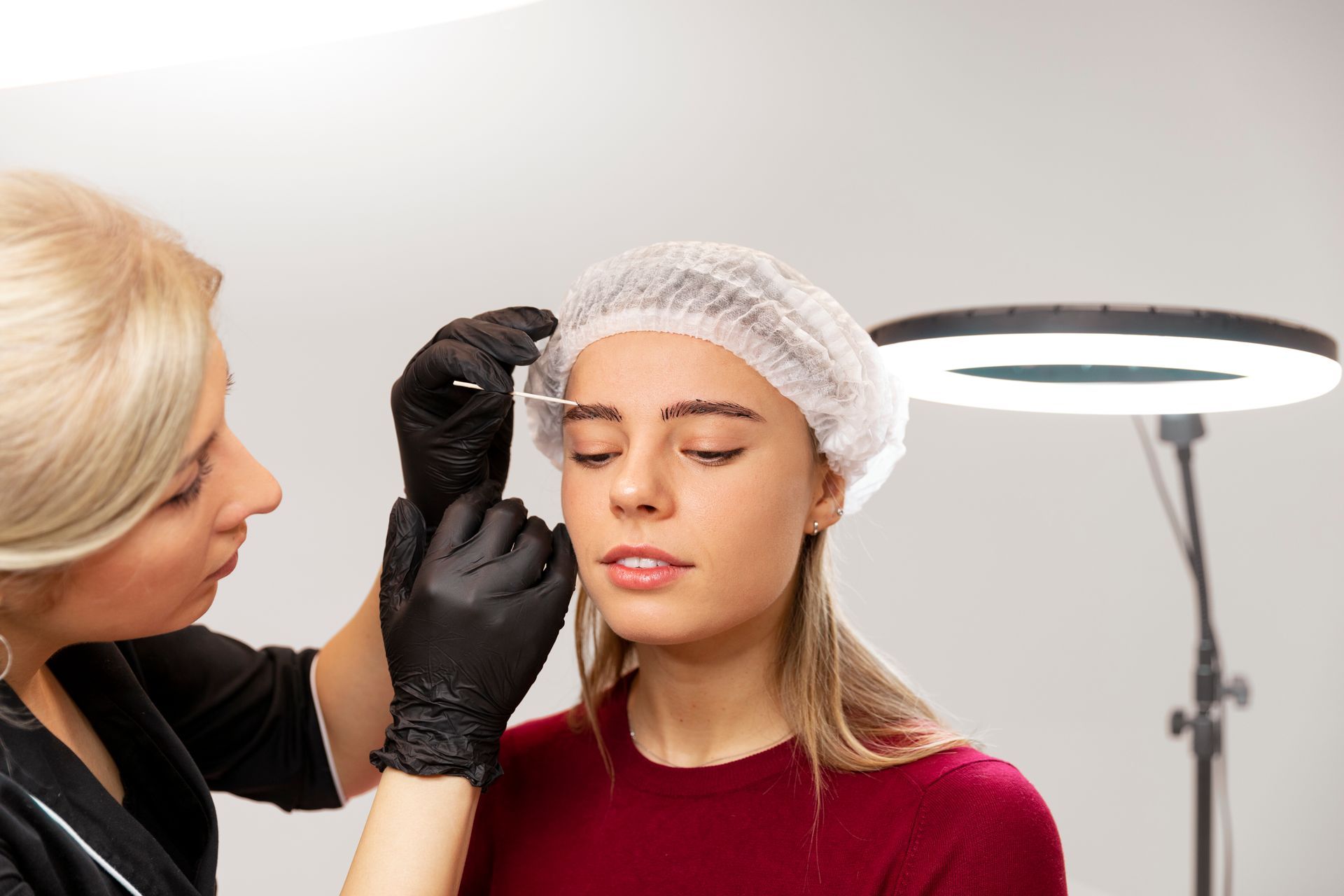
Permanent eyebrow procedures such as microblading, ombre brows, and powder brows rely heavily on precise preparation. One of the most important steps in the process is the brow mapping technique. Proper brow mapping helps ensure balanced, symmetrical brows that complement a client’s facial structure before any pigment is implanted.
At Double Brow Beauty, brow mapping is considered a foundational step in every eyebrow enhancement procedure. By carefully measuring and designing the brow shape beforehand, artists can create results that look natural, flattering, and tailored to each individual client.
For both beginners and experienced artists, mastering brow mapping is essential for consistent results. This guide explains the purpose of brow mapping, the principles behind symmetrical brows, and practical brow design tips used by professionals to create custom brow shapes for each client, an approach that reflects the precision and artistry practiced at Double Brow Beauty.
What Is Brow Mapping?
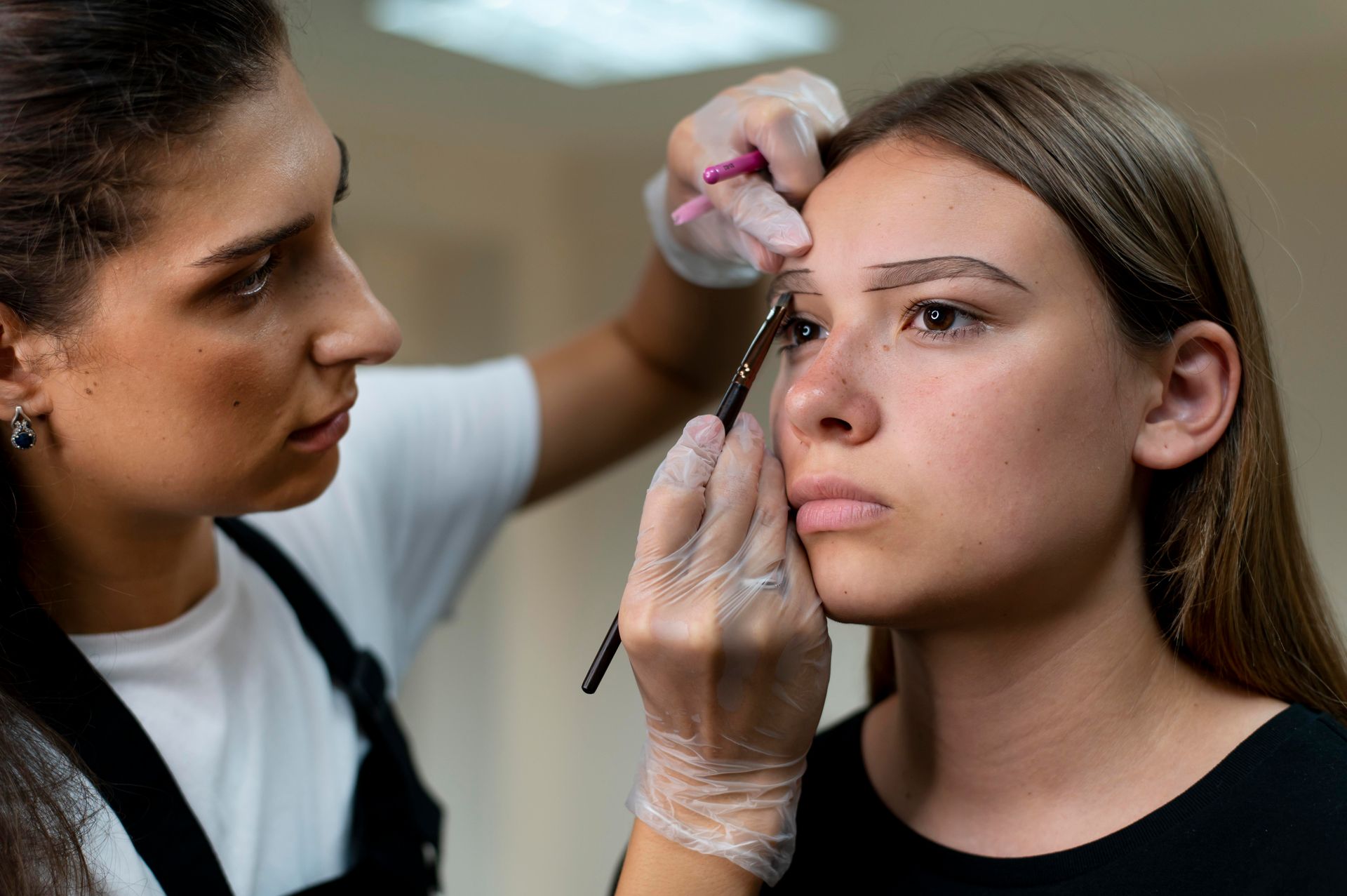
Brow mapping is a structured method used to determine the ideal eyebrow shape before performing permanent brow work. It involves measuring key points of the face to design brows that align with the client’s natural features.
The goal of the brow mapping technique is not to create identical brows but to design symmetrical brows that appear balanced with the client’s facial proportions. Because human faces are naturally asymmetrical, brow mapping helps artists make adjustments that visually balance both sides.
This process is particularly important for permanent procedures because once pigment is implanted into the skin, corrections can be difficult and time consuming.
Why Brow Mapping Matters Before Permanent Brow Work
Permanent eyebrow procedures require precision. Even small errors in shape or placement can affect the final appearance. Brow mapping acts as a blueprint before the procedure begins.
Key benefits of brow mapping
Improved symmetry
Mapping allows artists to identify differences between both sides of the face and adjust the brow shape accordingly.
Customized brow design
Each client has unique bone structure, muscle movement, and facial proportions. Brow mapping helps create a custom brow shape rather than using a one shape fits all approach.
Client approval before the procedure
Clients can see the proposed brow shape drawn on their face before the procedure starts. This helps avoid misunderstandings and ensures expectations are aligned.
Professional consistency
Following a structured symmetrical brows guide ensures that every client receives careful design work rather than guesswork.
Understanding Facial Anatomy for Brow Design
Before learning the technical steps of brow mapping, it is important to understand how eyebrows relate to facial anatomy.
Eyebrows frame the eyes and influence facial expression. Their placement can affect how wide the eyes appear, how balanced the face looks, and how youthful the overall appearance seems. For many clients interested in beauty treatments such as brow lift Montreal services, understanding the natural relationship between brows and facial structure is an important first step in achieving flattering results.
Forehead structure
A high or low forehead can influence the ideal brow height and arch placement.
Eye shape and spacing
Wide set eyes may benefit from slightly adjusted brow starts, while close set eyes may require a different spacing approach.
Brow bone prominence
The natural brow bone affects where the arch should sit and how high the brow can be designed.
Muscle movement
Muscle activity around the brows can change how the shape appears during facial expressions.
Understanding these factors helps brow artists apply the brow mapping technique more effectively.
The Golden Ratio in Brow Mapping
One concept frequently referenced in brow design is the golden ratio brows principle. The golden ratio is a mathematical proportion commonly found in art, architecture, and facial aesthetics.
In brow design, the golden ratio helps guide the placement of three key brow points.
- The brow start
- The brow arch
- The brow tail
These points are measured using reference lines from the nose and eye area to determine balanced proportions.
While the golden ratio brows method provides a helpful guideline, professional artists still adapt the design based on each client’s individual facial structure.
Step by Step Brow Mapping Technique
The brow mapping technique follows a structured sequence that helps artists design balanced brows.
Step 1 Identify the center of the face
The first step is determining the center line of the face, typically aligned with the nose bridge and the middle of the forehead. This reference line ensures that both brows are balanced around the facial center.
Step 2 Mark the brow starting point
The brow start is typically aligned vertically with the outer edge of the nostril. A straight line drawn upward helps mark where the brow should begin.
This prevents brows from being placed too close together or too far apart.
Step 3 Determine the brow arch
The highest point of the brow arch is usually measured by drawing a line from the nostril through the outer edge of the iris. This helps determine a flattering arch placement that complements the eye shape.
Step 4 Mark the brow tail
The brow tail is generally positioned along a diagonal line from the nostril through the outer corner of the eye. This ensures the brow extends appropriately without drooping too low.
Step 5 Outline the brow shape
Once the main reference points are marked, the artist connects them to create the full brow outline.
The thickness, arch shape, and tail length are adjusted to suit the client’s facial features.
Step 6 Check symmetry and balance
After outlining the brows, the artist reviews both sides carefully. Measurements are checked again to ensure the brows appear balanced.
Because perfect symmetry is rarely possible, the focus remains on visual harmony rather than mathematical perfection.
Brow Design Tips for Natural Looking Results
Experienced artists often follow several practical brow design tips to improve results.
Work with natural brow growth
Mapping should incorporate the client’s natural brow hair direction and density when possible.
Avoid extreme arches
A very high arch may look unnatural or age the face. Subtle shaping typically produces more balanced results.
Consider facial expressions
Brows should look natural both when the face is relaxed and when the client is smiling or raising their eyebrows.
Maintain proportion
Brows should not dominate the face. Proper spacing and thickness help maintain balance with other features.
These brow artist tips help create designs that feel personalized rather than artificial.
Communicating with Clients During Brow Mapping
Brow mapping is not only a technical process but also a collaborative one.
Clients seeking permanent brows often have specific preferences or concerns. Clear communication helps ensure the final design aligns with their expectations.
Discuss desired brow style
Some clients prefer soft natural brows while others want a more defined look.
Explain the mapping process
Showing clients how measurements guide the design can build confidence in the procedure.
Adjust based on feedback
Minor adjustments can often be made during the mapping stage before the procedure begins.
This consultation phase is a critical part of delivering customized brow shapes.
Conclusion
Brow mapping is one of the most important preparation steps before performing permanent eyebrow procedures. By using precise measurements, facial analysis, and structured design techniques, artists can create symmetrical brows that enhance a client’s natural features.
The brow mapping technique ensures that each brow design is customized rather than standardized. Understanding facial anatomy, applying golden ratio brows principles, and following professional brow design tips all contribute to successful outcomes.
If you would like to learn more about professional brow mapping or book a consultation, contact Double Brow Beauty today to speak with our experts and discover the perfect brow design for you
Frequently Asked Questions
What is the purpose of brow mapping?
The purpose of brow mapping is to design the ideal eyebrow shape before performing permanent brow work. It ensures balanced placement, symmetry, and alignment with the client’s facial features.
Is brow mapping necessary for microblading?
Yes. Brow mapping is considered an essential step before microblading or any permanent brow procedure because it establishes the correct shape and positioning.
How long does brow mapping take?
The brow mapping process usually takes between 10 and 20 minutes depending on the complexity of the client’s facial features and the artist’s design process.
Can brow mapping fix uneven eyebrows?
Brow mapping cannot completely change natural facial asymmetry, but it can visually balance uneven brows by adjusting shape, thickness, and placement.
What is the golden ratio in brow design?
The golden ratio is a proportion used to guide the placement of the brow start, arch, and tail. It helps artists create aesthetically balanced brows that suit the face.
Do clients approve the brow shape before the procedure?
Yes. Clients typically review and approve the mapped brow shape before any permanent pigment is applied. This ensures the design meets their expectations.