
Hair Botox vs Keratin: What’s Best for Your Hair Type?
Choosing a professional hair treatment can feel overwhelming. With so many options promising smoothness, shine, and manageability, it’s easy to get confused. Two of the most discussed treatments today are Hair Botox and Keratin Treatments. While both aim to improve hair appearance and texture, they work in very different ways and suit different needs.
This guide brought to you by Double Brow Beauty offers a clear and balanced comparison of Hair Botox vs Keratin. It explains how each treatment works, who benefits most from them, and what to consider before booking an appointment. If you’re one of the many people looking to manage damage, frizz, or dryness, this article will help you make an informed decision based on hair texture, lifestyle, and long-term care.
Understanding Professional Hair Treatments
Professional hair treatments are designed to address specific hair concerns such as dryness, frizz, breakage, or lack of shine. Unlike everyday conditioners or masks, these treatments usually involve concentrated formulas applied under controlled salon conditions.
Before comparing hair botox vs keratin, it is important to understand that neither is a medical procedure. The term botox in hair botox does not involve injections or toxins. Similarly, keratin treatments vary widely depending on formulation and method.
What Is Hair Botox?
Hair botox is a deep conditioning and hair rejuvenation treatment. It focuses on repairing damaged hair fibers and restoring moisture rather than altering the hair’s natural structure.
How Hair Botox Works
Hair botox formulas typically contain a blend of amino acids, proteins, vitamins, lipids, and conditioning agents. These ingredients penetrate the hair shaft and fill in damaged areas caused by heat styling, chemical treatments, or environmental stress.
The treatment coats each strand, helping hair appear smoother and fuller. However, it does not permanently straighten or chemically reshape the hair.
Key Benefits of Hair Botox
Hair botox offers multiple benefits for hair health and appearance.
- Improves softness and shine
- Reduces frizz caused by dryness
- Enhances hair elasticity
- Makes hair easier to manage
- Supports overall hair rejuvenation
Hair botox is often chosen by individuals with dry, brittle, or aging hair who want a healthier look without changing their natural curl or wave pattern.
Who Hair Botox Is Best For
Hair botox works well for:
- Fine or thinning hair
- Dry or damaged hair
- Curly or wavy textures seeking hydration
- People sensitive to strong chemical treatments
It is especially useful as part of a hair texture guide for those wanting repair rather than straightening.
What Is a Keratin Treatment?
A keratin treatment is a smoothing process designed to reduce frizz and make hair straighter and more manageable. It works by coating the hair with keratin protein and sealing it with heat.
How Keratin Treatments Work
Keratin is a natural protein found in hair, skin, and nails. During the treatment, a keratin-rich solution is applied to the hair and then sealed using a flat iron. This process smooths the cuticle and reduces curl or wave patterns.
Some keratin treatments are designed to straighten hair significantly, while others focus mainly on frizz control. Results depend on the formula used and the hair’s original texture.
Key Benefits of Keratin Treatments
Keratin treatments are known for delivering visible smoothing effects.
- Noticeable frizz reduction
- Smoother and straighter appearance
- Reduced styling time
- Improved shine
Keratin treatments are popular among people choosing hair treatments for easier daily styling.
Who Keratin Is Best For
Keratin treatments suit:
- Thick or coarse hair
- Very frizzy or unmanageable hair
- People who prefer straighter styles
- Those willing to follow specific aftercare rules
However, they may not be ideal for very fine or chemically fragile hair.
Hair Botox vs Keratin: A Side by Side Comparison
The table below highlights the main differences to help clarify which option fits your needs
| Feature | Hair Botox | Keratin Treatment |
|---|---|---|
| Primary purpose | Hair repair and hydration | Frizz reduction and smoothing |
| Effect on hair texture | Maintains natural texture | Can loosen curls or waves |
| Chemical strength | Mild and conditioning based | Stronger formulations |
| Suitable for damaged hair | Yes | Depends on hair condition |
| Styling result | Softer, healthier look | Sleeker, straighter finish |
| Longevity | 2 to 4 weeks | 2 to 4 months |
| Treatment cost | Moderate | Often higher |
This comparison highlights that hair botox vs keratin is not about which is better overall, but which aligns with your hair goals.
Treatment Cost Considerations
Treatment cost is an important factor for many people choosing hair treatments. Prices vary depending on location, salon expertise, hair length, and product quality.
Hair Botox Cost
Hair botox is generally more affordable. Since it does not require heat sealing or long processing times, it tends to cost less per session. However, results last a shorter time, so maintenance treatments may be needed more frequently.
Keratin Treatment Cost
Keratin treatments usually cost more upfront. The process is longer and more labor intensive. The longer lasting results may balance the higher initial cost for some individuals.
When evaluating cost, it is helpful to consider both short term expenses and long term maintenance.
Hair Texture Guide: Choosing the Right Treatment
Understanding your hair texture is essential when selecting the right treatment. Fine, curly, wavy, or coarse hair each responds differently, and choosing the right hair botox treatment ensures healthier results, improved manageability, and long-lasting hair improvements.
Fine Hair
Fine hair benefits more from hair botox. The lightweight conditioning improves strength and shine without weighing hair down. Keratin treatments may make fine hair appear flat.
Curly and Wavy Hair
Hair botox supports curl definition while reducing dryness. Keratin treatments can loosen curls, which may or may not be desirable depending on styling preferences.
Thick or Coarse Hair
Keratin treatments are often effective for thick or coarse hair that struggles with frizz and daily manageability. Hair botox may improve softness but will not significantly reduce volume.
Chemically Treated Hair
Hair botox is generally safer for hair that has been bleached or colored. Some keratin treatments can stress already weakened hair if not applied carefully.
Haircare Tips After Each Treatment
Proper aftercare helps extend results and maintain hair health.
After Hair Botox
- Use sulfate free shampoos
- Avoid excessive heat styling
- Apply nourishing masks weekly
- Limit harsh chemical services
After Keratin Treatment
- Follow washing guidelines provided by the salon
- Use recommended smoothing products
- Avoid saltwater and chlorine when possible
- Reduce heat styling to maintain smoothness
These haircare tips support long term results and reduce the risk of damage.
Common Myths About Hair Botox and Keratin
Myth 1: Hair Botox Straightens Hair
Hair botox does not straighten hair. It improves texture and smoothness without altering structure.
Myth 2: All Keratin Treatments Are the Same
Keratin treatments vary widely in ingredients and strength. Results depend on formulation and technique.
Myth 3: These Treatments Repair Hair Permanently
Both treatments offer cosmetic improvement. They do not permanently repair internal hair structure.
Understanding these facts helps set realistic expectations.
Expert Insight: Making the Right Choice
From a comparison plus expert advice perspective, professionals often suggest starting with hair botox if hair health is the main concern. Keratin treatments may be considered later if frizz control and straightening are priorities.
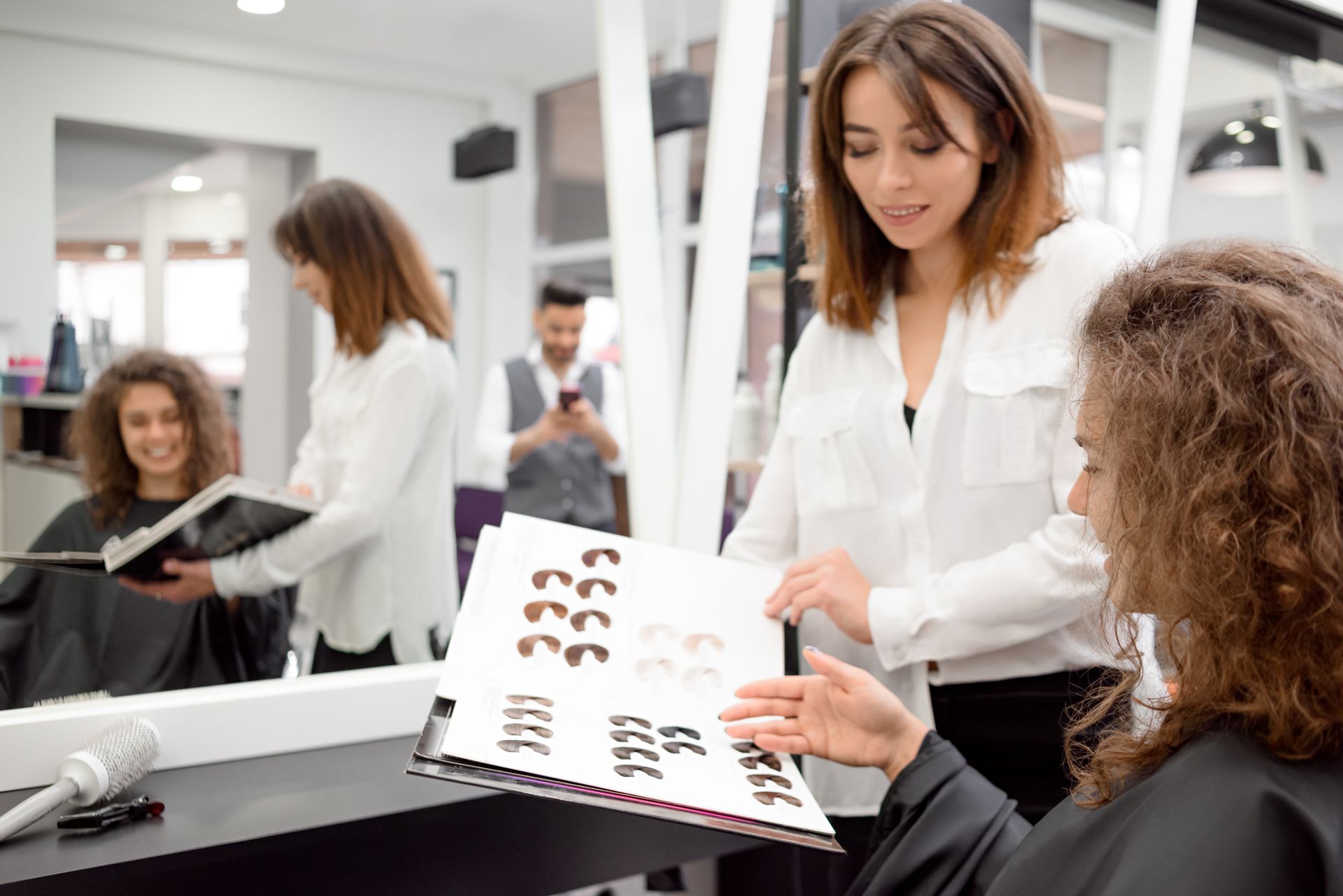
Consultation is important. A stylist can assess porosity, elasticity, and previous chemical history before recommending a treatment.
Final Thoughts
The decision between hair botox vs keratin depends on personal hair goals rather than trends. Hair botox focuses on hydration and repair, making it ideal for restoring softness and vitality. Keratin treatments prioritize smoothness and frizz control, often changing the way hair behaves during styling.
By understanding hair texture, treatment cost, and realistic outcomes, people choosing hair treatments can make informed decisions that support long term hair health rather than quick fixes. A thoughtful approach, combined with professional guidance and proper aftercare, leads to better and more sustainable results. Still unsure which treatment is right for your hair? Contact us today to book a professional consultation and get personalized recommendations for healthier, more beautiful hair.
Frequently Asked Questions
Is hair botox safe for regular use?
Yes, hair botox is generally safe when used appropriately. Its conditioning ingredients make it suitable for periodic use, especially for dry or damaged hair.
Can keratin treatments damage hair?
Keratin treatments can stress hair if applied incorrectly or too frequently. Proper application and aftercare reduce this risk.
Which lasts longer, hair botox or keratin?
Keratin treatments typically last longer, often several months. Hair botox results usually fade within a few weeks.
Can I color my hair after these treatments?
It is usually recommended to color hair before a keratin treatment. With hair botox, timing is more flexible, but professional advice is still important.
Are these treatments suitable for all ages?
Both treatments can be used across age groups, but product choice and application should be tailored to individual hair condition.